
DESA1002 'Nine Quarter City' - <Mercie Ding>
| Field | Value | Language |
| dc.contributor.author | DING, Mercie | |
| dc.date | 2008-11-11 | |
| dc.date.accessioned | 2008-11-13 | |
| dc.date.available | 2008-11-13 | |
| dc.date.issued | 2008-11-13 | |
| dc.identifier.uri | http://hdl.handle.net/2123/3843 | |
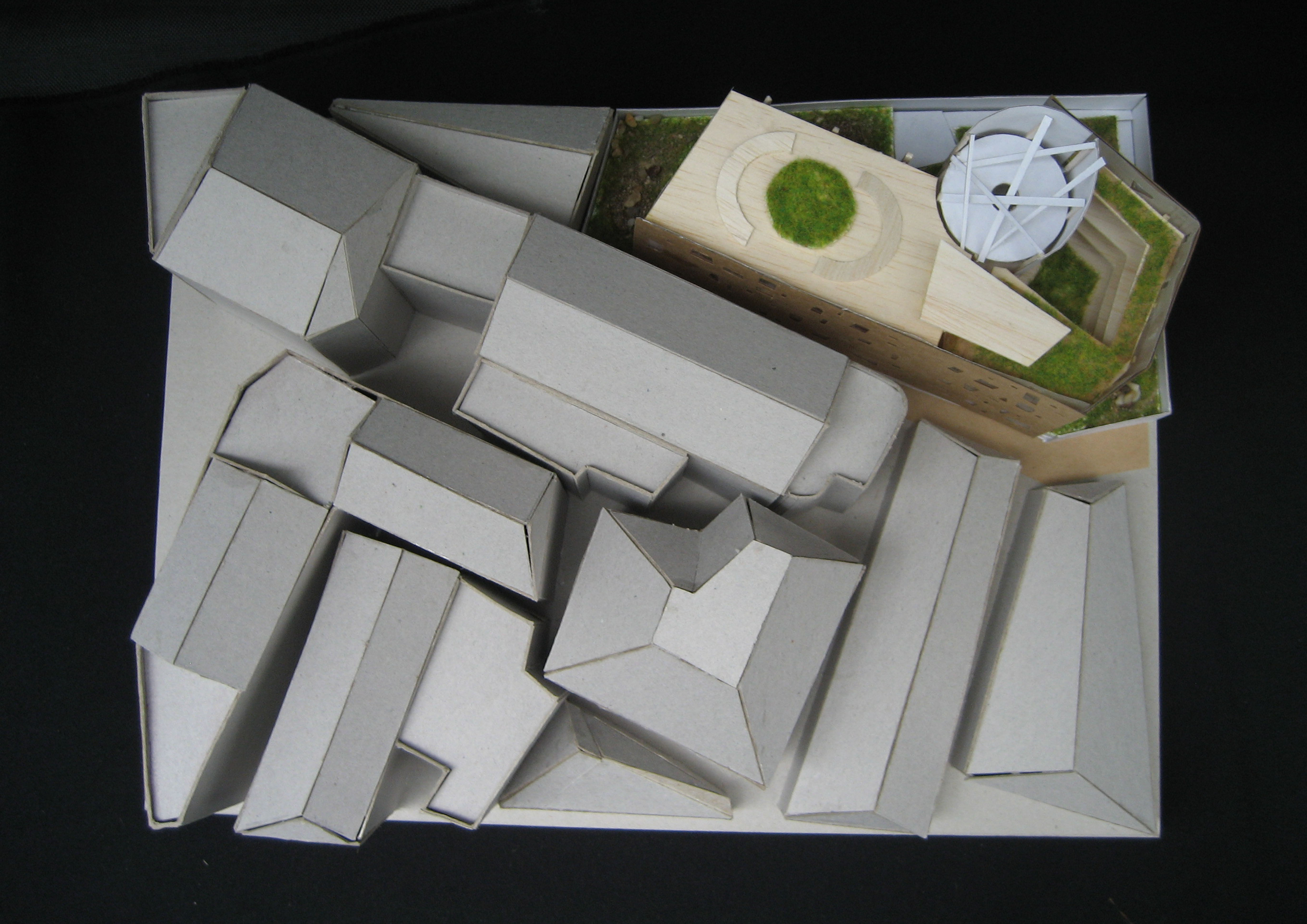
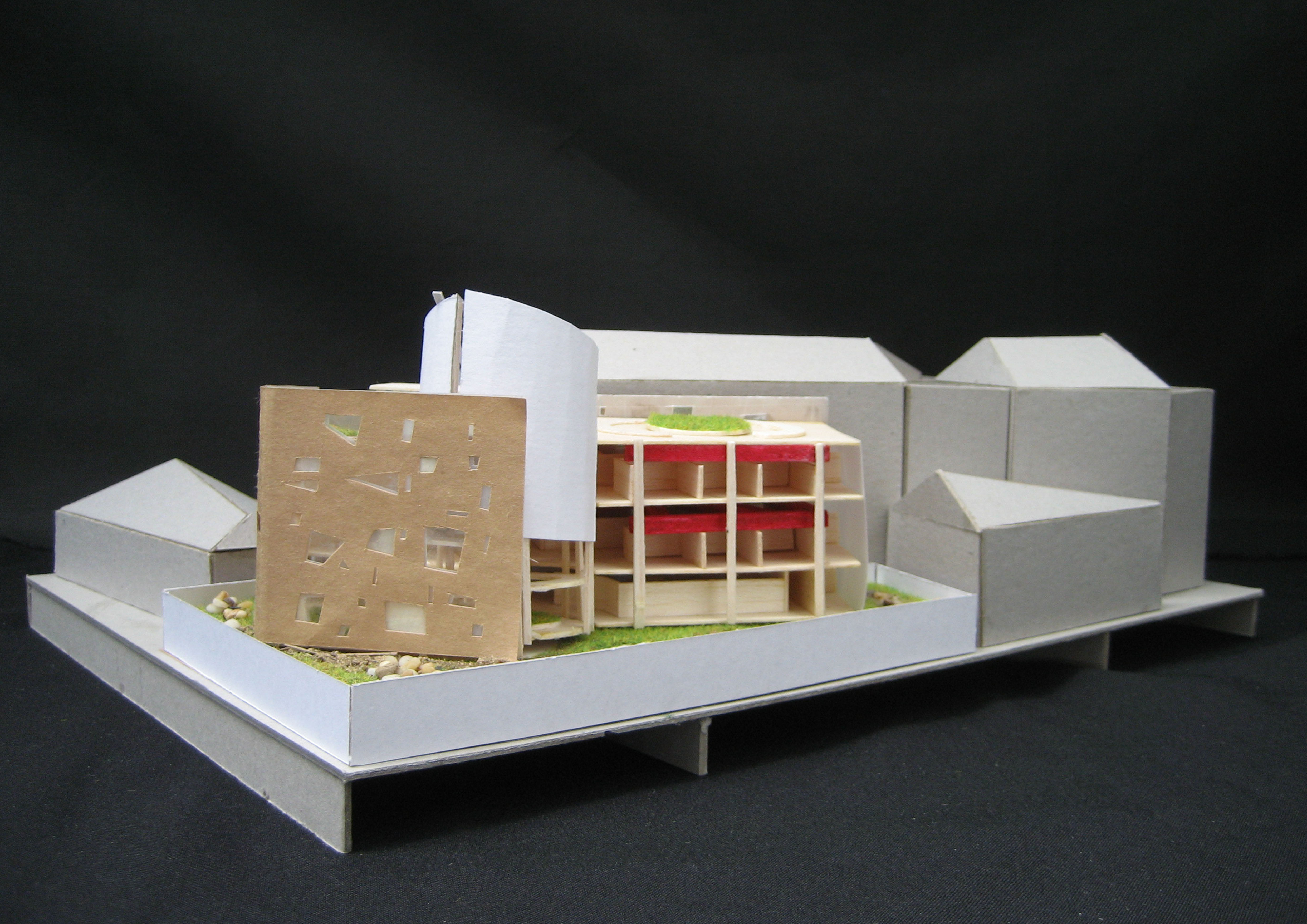
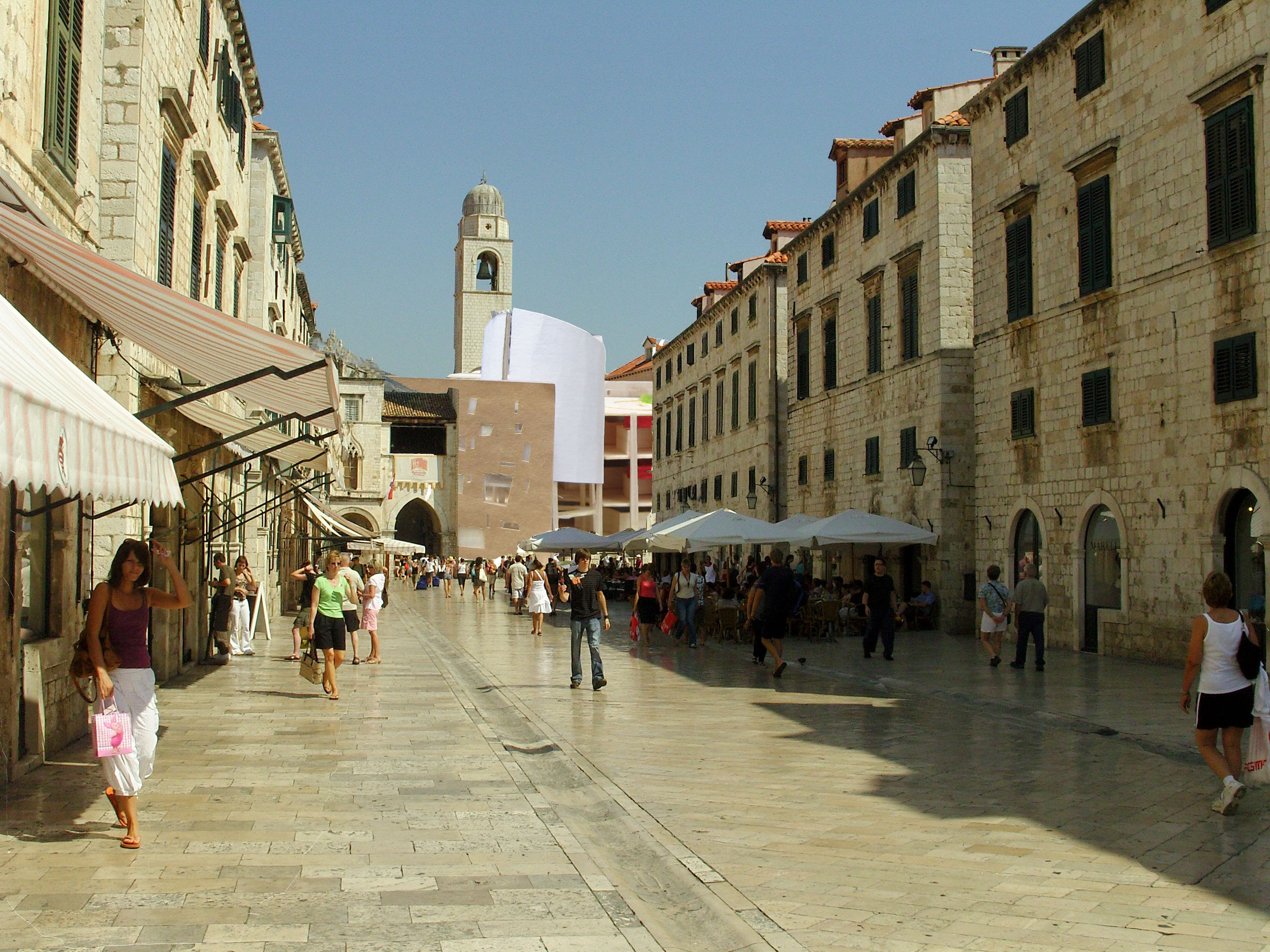
| dc.description.abstract | When we think of an orphanage, the image of the stereotypical, 19th century institution run by local parishes comes to mind. Images of iron clad fences, strict matrons and characters: Oliver Twist and Jane Eyre. The church took charge of these 'hopeless' and 'obstinate, wilful' orphans who were often little cared for, seen to have little contribution to society and a burden to the financial and human resources of the church. The orphanage was a place for children who had lost many things in their short lives. As a launching point, I began researching the background of Dubrovnik where the Roman Catholic Church is a strongly influential institution, embedding traditional values within the social, religious and economic fabric of the city. I felt it important to uphold tradition within my building whilst creating a space for children to develop and discover. It is necessary to incorporate existing ideas within my building without the compromise of Dubrovnik falling into a stagnant or regressing city. Whilst maintaining the central ideas of the faith, this orphanage also presents itself as a world of pure imagination, similiar to Xanadu, described in Coleridge's Kubla Khan, where children are encouraged to interact with their environment. It is a center for discovery, a sensory playground that retains the traditional beliefs of Catholicism. The incorporation of the environment into the building, the changing light values and the careful manipulation of the program allows for the building to be purely derived for children. Light is used to heighten the idea of salvation, reminding children of their loving Father in Heaven. Where there is a change from dark to light, the journey through life as one coming out of darkness (sin) into light (salvation) is emphasized further. The plan form emulates the shape of a hand which wraps around the building, cocoon-like; it is a nurturing safe haven for children to grow. | en |
| dc.language.iso | en | en |
| dc.relation.ispartof | Nine Quarter City | en |
| dc.relation.haspart | D2 | en |
| dc.rights | Other | en |
| dc.subject | Architecture | en |
| dc.subject | Design | en |
| dc.subject | Studio | en |
| dc.subject | Nine Quarter City | en |
| dc.subject | Model | en |
| dc.subject | Drawing | en |
| dc.title | DESA1002 'Nine Quarter City' - <Mercie Ding> | en |
| dc.type | Image | en |
| dc.description.unitofstudy | DESA 1002 (Design and Practice) | en |
| dc.rights.other | Author retains copyright of this work | en |
| usyd.faculty | Sydney School of Architecture, Design and Planning, Student works | en |
| usyd.department | Architecture & Allied Arts | en |
Associated file/s
Associated collections