
DESA1002 'Nine Quarter City' - <Thomas Hurrell>
| Field | Value | Language |
| dc.contributor.author | Hurrell, Thomas | |
| dc.date | 2008-11-11 | |
| dc.date.accessioned | 2008-11-13 | |
| dc.date.available | 2008-11-13 | |
| dc.date.issued | 2008-11-13 | |
| dc.identifier.uri | http://hdl.handle.net/2123/3836 | |
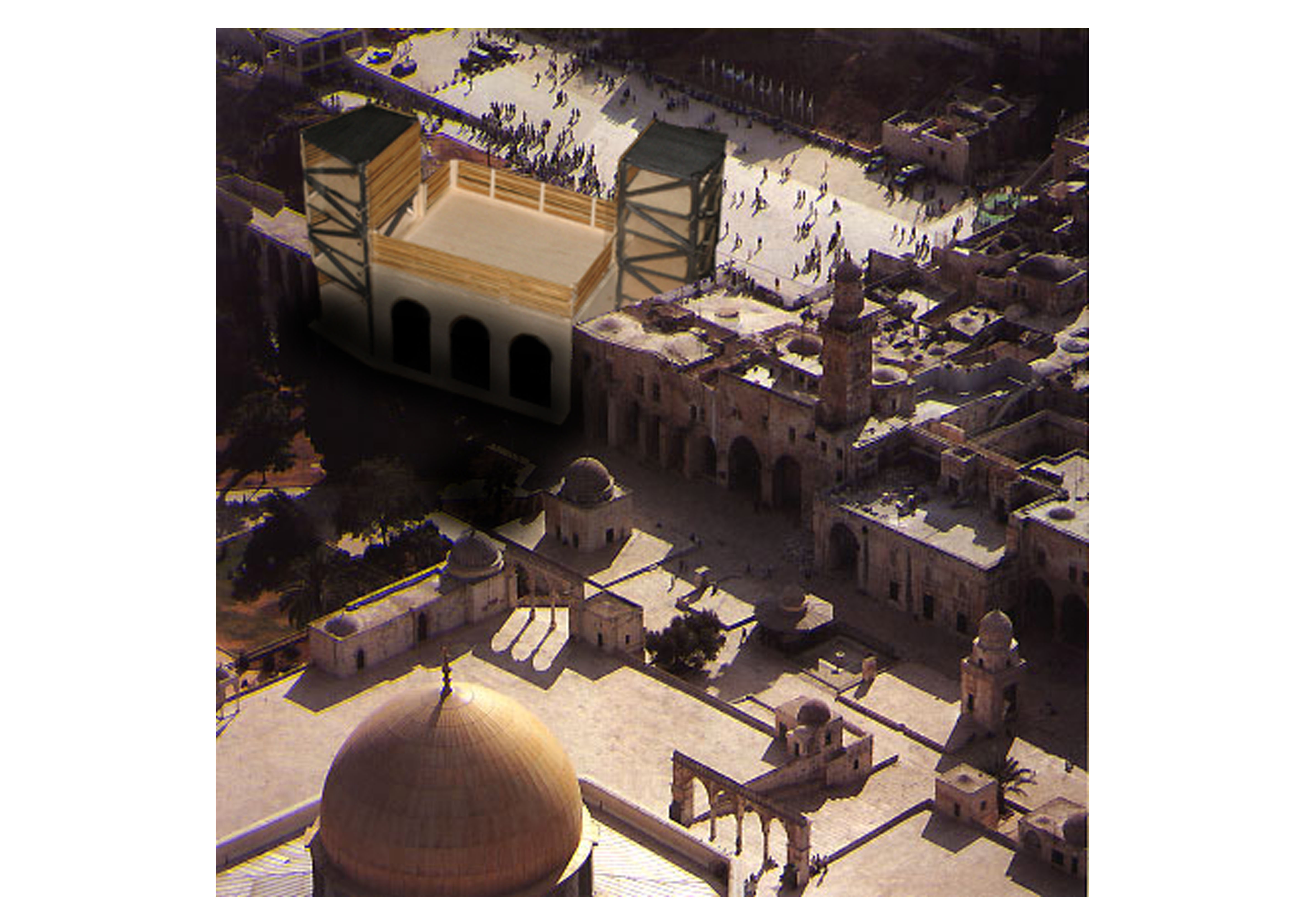
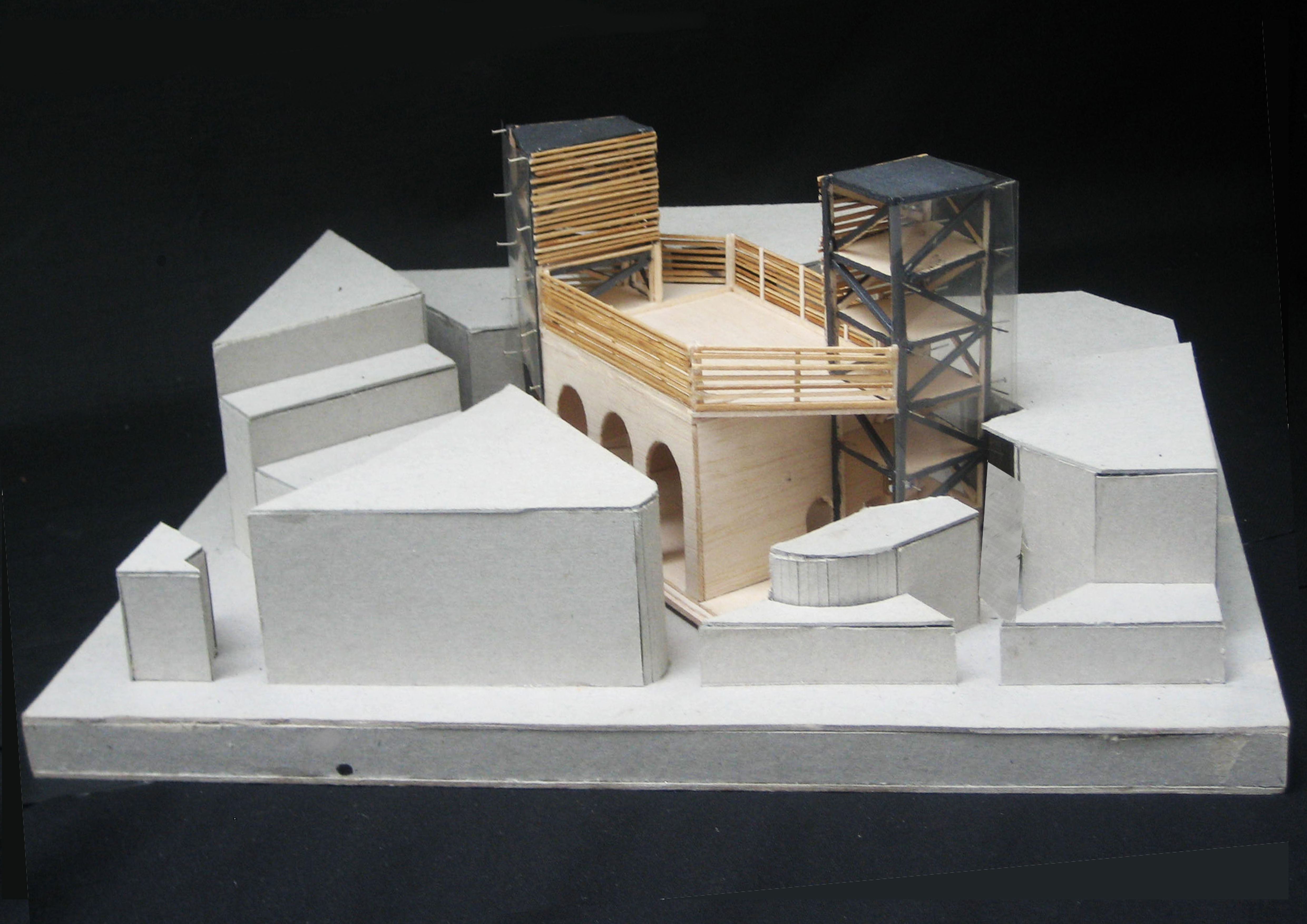
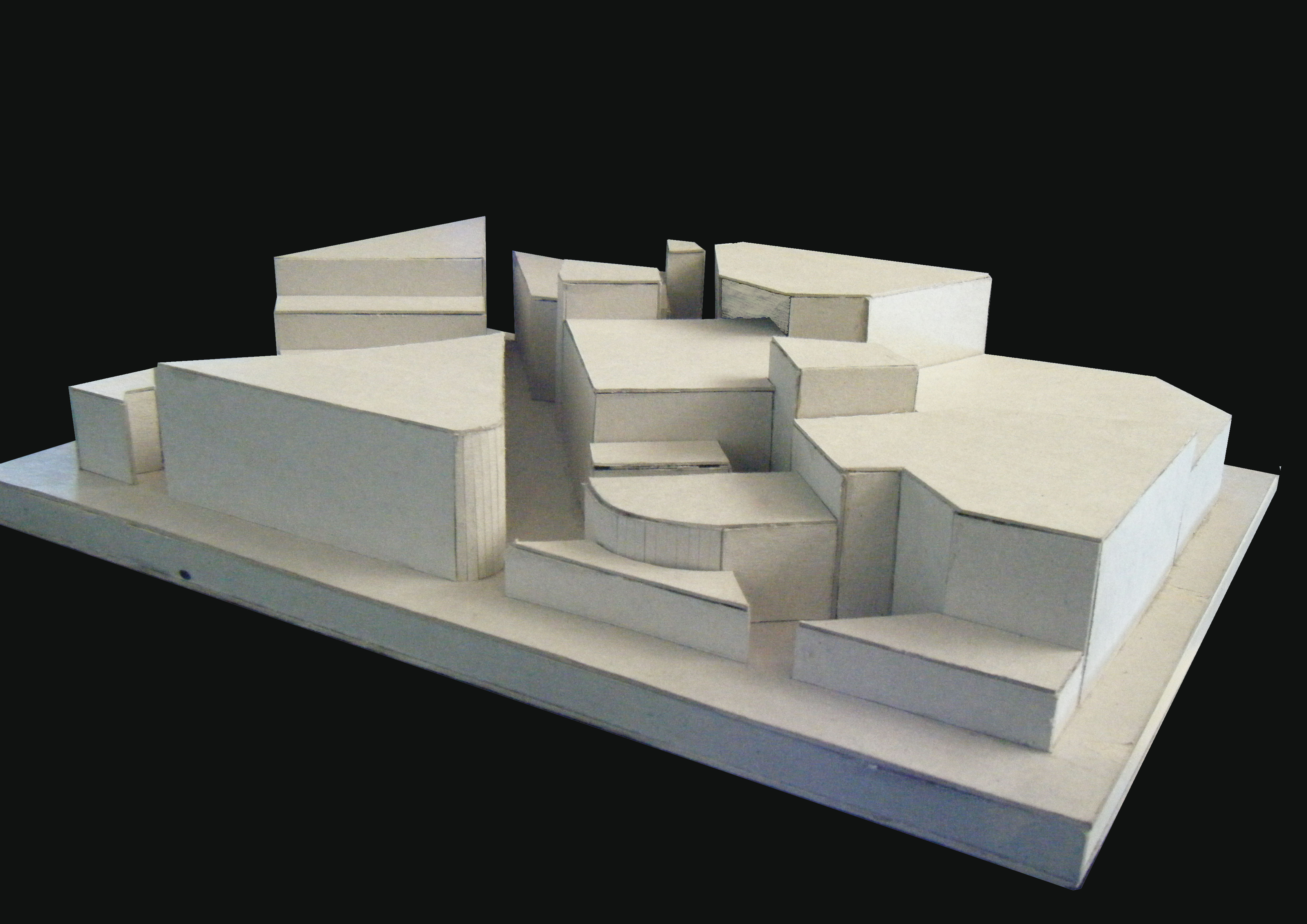
| dc.description.abstract | There are several reasons that I chose a Youth Centre to be built at my site. After deliberating the pros and cons of a school, market place and a sports ground I decided that what Jerusalem needed was all of these things. But it was not just any education I wanted the school to provide, nor any products I wanted the market to sell, or any team playing sport. I wanted this centre to be a place that would help to break away at the division that exists between Arabic and Jewish people within Jerusalem. I knew the project had to be treated with respect for the differences that the cultures had but I wanted it to be a place where the similarities they shared could be realised. At this point I compared my site with already existing examples of coexistence in Israel. I looked at the professional Soccer team in Mevaseret (a suburb of Jerusalem) that combined Jewish and Arab players and the importance of this gesture to young people who saw an example of coexistence in the role models. I looked at the Jewish/Arab restaurant in Haifa that showed some of the cultural benefits of coexistence to all who went there. In particular I looked at the Hand in Hand School system that has opened bilingual and multicultural schools in three cities in Israel including Jerusalem. These schools gave young people the opportunity to grow up with people from other cultures that they would have otherwise never have met and help establish a platform for a new Jerusalem. I decided that I wanted to emulate these examples in my own design. The centre would be a place for Jerusalem’s youth to meet for sport, concerts, movies, classes and exhibitions as well as serving as a market space on weekends. But these are only activities designed to bring Arabic and Jewish peoples together (especially young people). The ultimate function of this building is to destroy the barrier that exists between these two cultures. The youth of Jerusalem are not scarred by its history the way their parents and in them there is hope for a New Jerusalem. | en |
| dc.language.iso | en | en |
| dc.relation.ispartof | Nine Quarter City | en |
| dc.relation.haspart | F3 | en |
| dc.rights | Other | en |
| dc.subject | Architecture | en |
| dc.subject | Design | en |
| dc.subject | Studio | en |
| dc.subject | Nine Quarter City | en |
| dc.subject | Model | en |
| dc.subject | Drawing | en |
| dc.title | DESA1002 'Nine Quarter City' - <Thomas Hurrell> | en |
| dc.type | Image | en |
| dc.description.unitofstudy | DESA 1002 (Design and Practice) | en |
| dc.rights.other | Author retains copyright of this work | en |
| usyd.faculty | Sydney School of Architecture, Design and Planning, Student works | en |
| usyd.department | Architecture & Allied Arts | en |
Associated file/s
Associated collections