
DESA1002 'Nine Quarter City' - <Sam Ilias>
| Field | Value | Language |
| dc.contributor.author | Ilias, Sam | |
| dc.date | 2008-11-11 | |
| dc.date.accessioned | 2008-11-12 | |
| dc.date.available | 2008-11-12 | |
| dc.date.issued | 2008-11-12 | |
| dc.identifier.uri | http://hdl.handle.net/2123/3802 | |
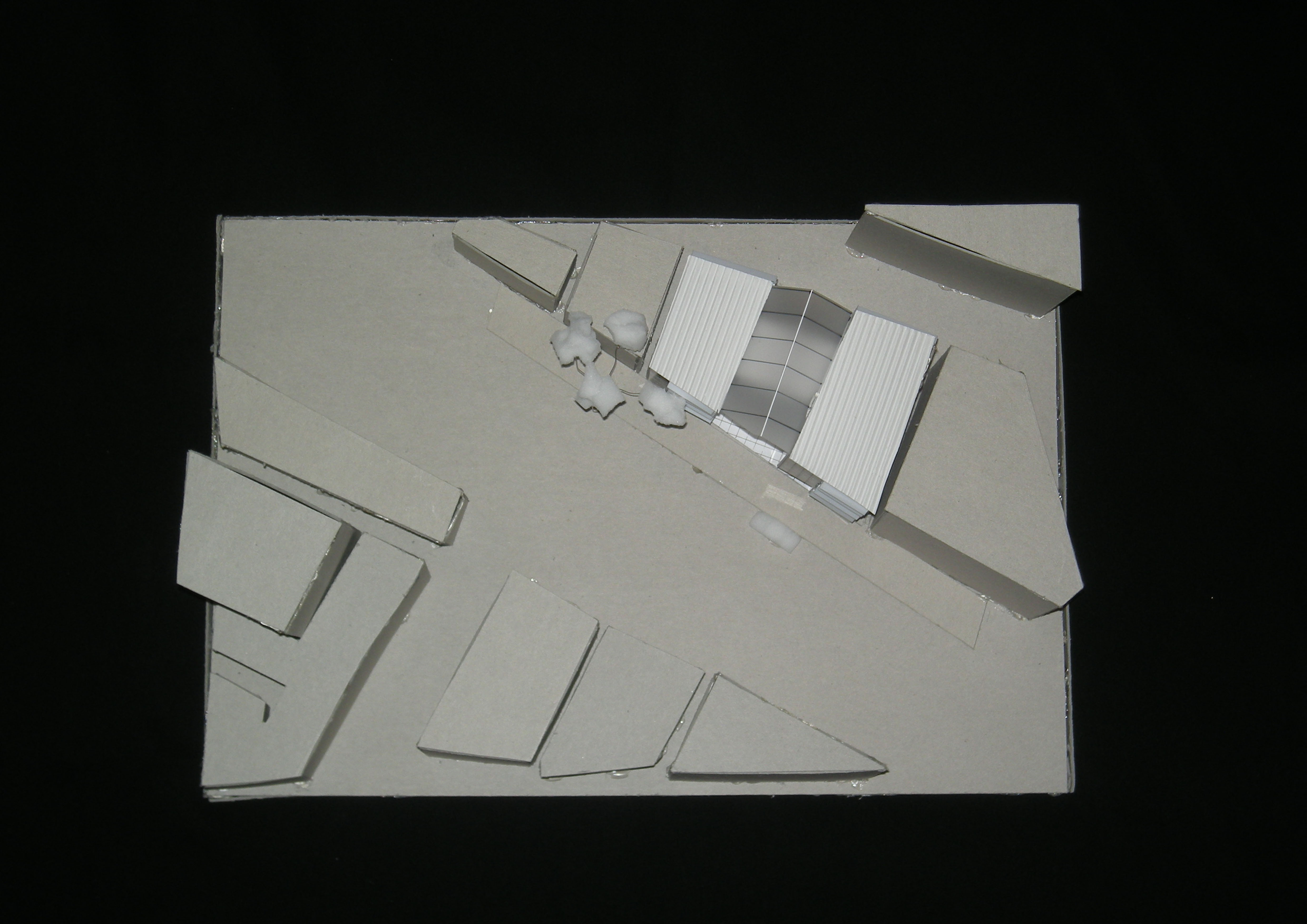
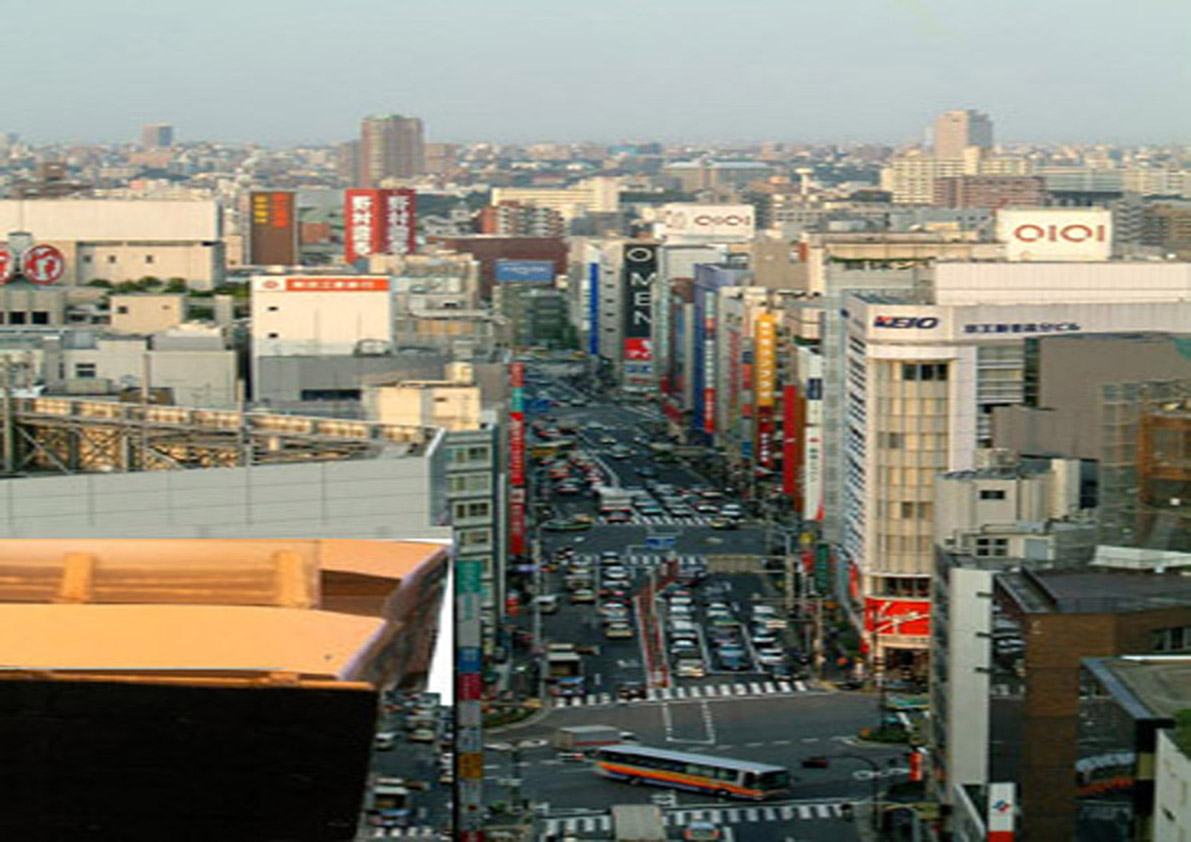
| dc.description.abstract | From day one of second semester, I was enthralled with the outline of our design studio tasks. Faced with a project entitled Nine Quarter City, I immediately knew that our project would have direction and a purpose. From our first task, the ground work had been laid for the development of my very own building; one in which I could decided its purpose, its materiality and its location. The central axis of the road and the canal often proved a hotly debated topic within studio time in regards to what building should be developed and where it should be developed. Lucky enough, I was allocated site K11, a site sitting upon the main road axis. The options of what to build were endless...a theatre? Casino? In the end I decided upon a function that lacks within Tokyo architecture; the quality of public space. In this, I decided upon a commercial and residential building, built of four levels; one level of commercial and the top three levels of residential. Unlike many existing residential buildings within Asakusa, Tokyo, I wanted to ensure the quality of space both public and private. Thus, there are four large studio rooms per level and I designed a large void in the middle of the building which acts as both public space on the ground floor, a link to the opposite street, but also as a large light well. This light well became the feature of my design as it not only provided light for the ground floor and the walkways above, but also served as the key design principle in terms of its symmetry within the building. Thus, the commercial and residential project detailed above not only serves the critical needs of Japanese society, in terms of large residential spaces, but also seeks to change the design attitude within Tokyo, with a greater importance placed on the provision of public space. From day one of second semester, I was enthralled with the outline of our design studio tasks. Faced with a project entitled Nine Quarter City, I immediately knew that our project would have direction and a purpose. From our first task, the ground work had been laid for the development of my very own building; one in which I could decided its purpose, its materiality and its location. The central axis of the road and the canal often proved a hotly debated topic within studio time in regards to what building should be developed and where it should be developed. Lucky enough, I was allocated site K11, a site sitting upon the main road axis. The options of what to build were endless...a theatre? Casino? In the end I decided upon a function that lacks within Tokyo architecture; the quality of public space. In this, I decided upon a commercial and residential building, built of four levels; one level of commercial and the top three levels of residential. Unlike many existing residential buildings within Asakusa, Tokyo, I wanted to ensure the quality of space both public and private. Thus, there are four large studio rooms per level and I designed a large void in the middle of the building which acts as both public space on the ground floor, a link to the opposite street, but also as a large light well. This light well became the feature of my design as it not only provided light for the ground floor and the walkways above, but also served as the key design principle in terms of its symmetry within the building. Thus, the commercial and residential project detailed above not only serves the critical needs of Japanese society, in terms of large residential spaces, but also seeks to change the design attitude within Tokyo, with a greater importance placed on the provision of public space. | en |
| dc.language.iso | en | en |
| dc.relation.ispartof | Nine Quarter City | en |
| dc.relation.haspart | K11 | en |
| dc.rights | Other | en |
| dc.subject | Architecture | en |
| dc.subject | Design | en |
| dc.subject | Studio | en |
| dc.subject | Nine Quarter City | en |
| dc.subject | Model | en |
| dc.subject | Drawing | en |
| dc.title | DESA1002 'Nine Quarter City' - <Sam Ilias> | en |
| dc.type | Image | en |
| dc.description.unitofstudy | DESA 1002 (Design and Practice) | en |
| dc.rights.other | Author retains copyright of this work | en |
| usyd.faculty | Sydney School of Architecture, Design and Planning, Student works | en |
| usyd.department | Architecture & Allied Arts | en |
Associated file/s
Associated collections